1 min read
SAP Customer Stories: How CATENSYS Kept SAP Running Through a Global Carve-Out
BEYOND ESSENTIALS Core insight: A carve-out can leave a company with full ownership of its SAP systems and no team to run them. Consequence: A...
3 min read
BEYOND ESSENTIALS
Core insight: A carve-out can close on paper while its SAP systems and IT team stay behind with the parent company.
Consequence: That gap puts every user, every ticket, and every audit at risk until someone fills it – fast.
Mid-market angle: For a mid-market manufacturer, the fix is plugging into an alliance that already has the team built.
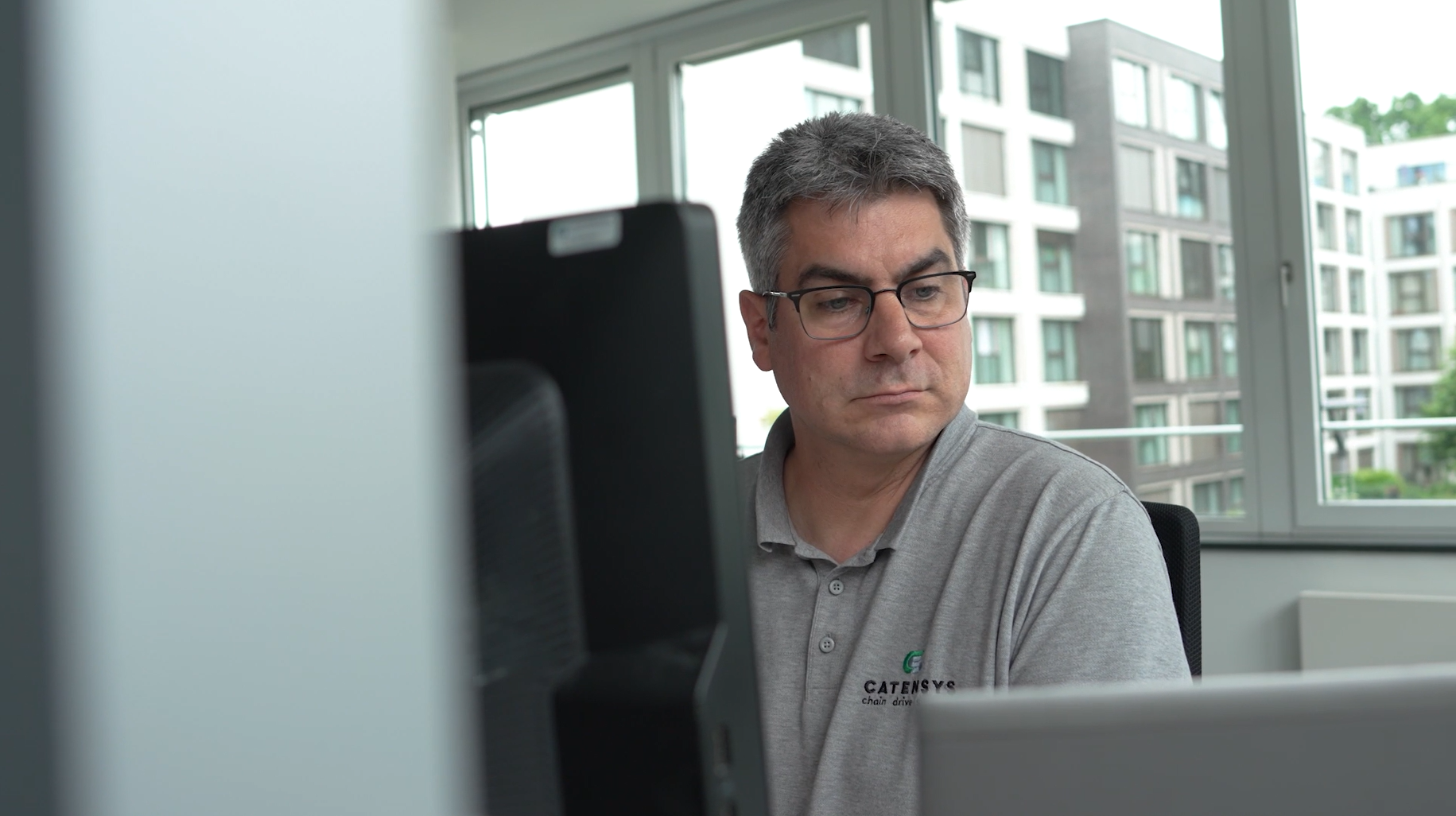
Signing a carve-out takes an afternoon. A signature, a handshake, eight sites and 600 employees change hands on paper, all in one sitting. Separating two decades of shared SAP infrastructure takes months. Catensys was living in that gap, with over 300 IT users waiting on the other side of it.
The legal separation finishes before the technical one does. That's the pattern behind most carve-outs, and it's exactly what happened to CATENSYS, a mid-sized automotive supplier spun out of Schaeffler in 2022.
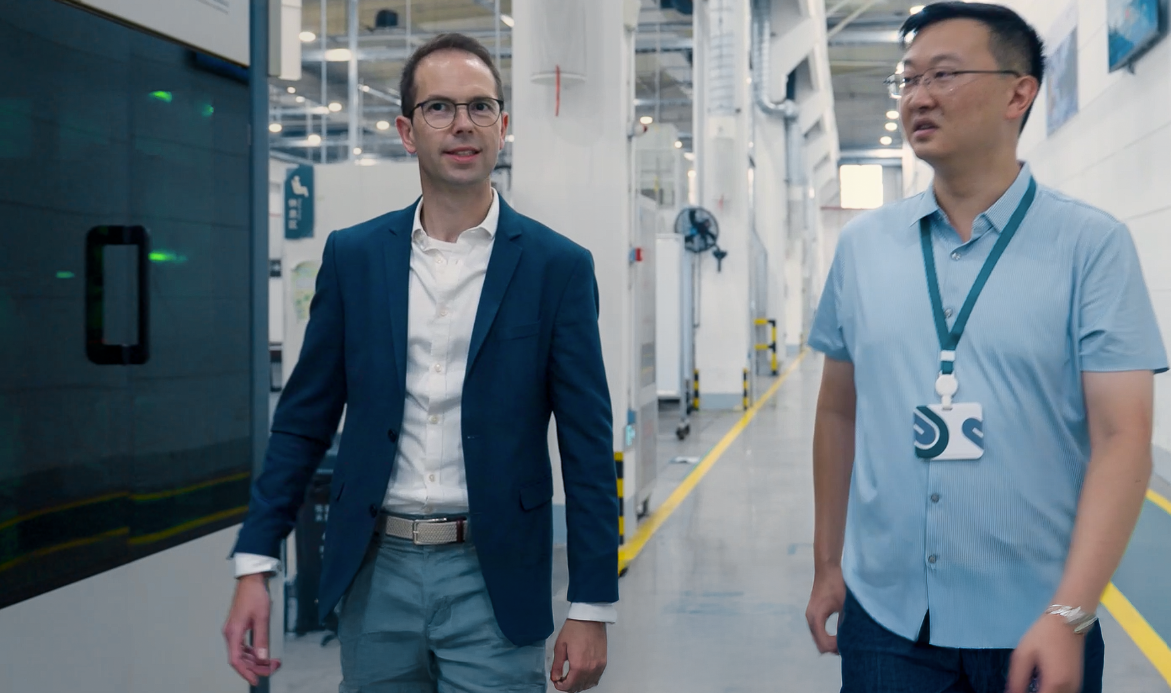
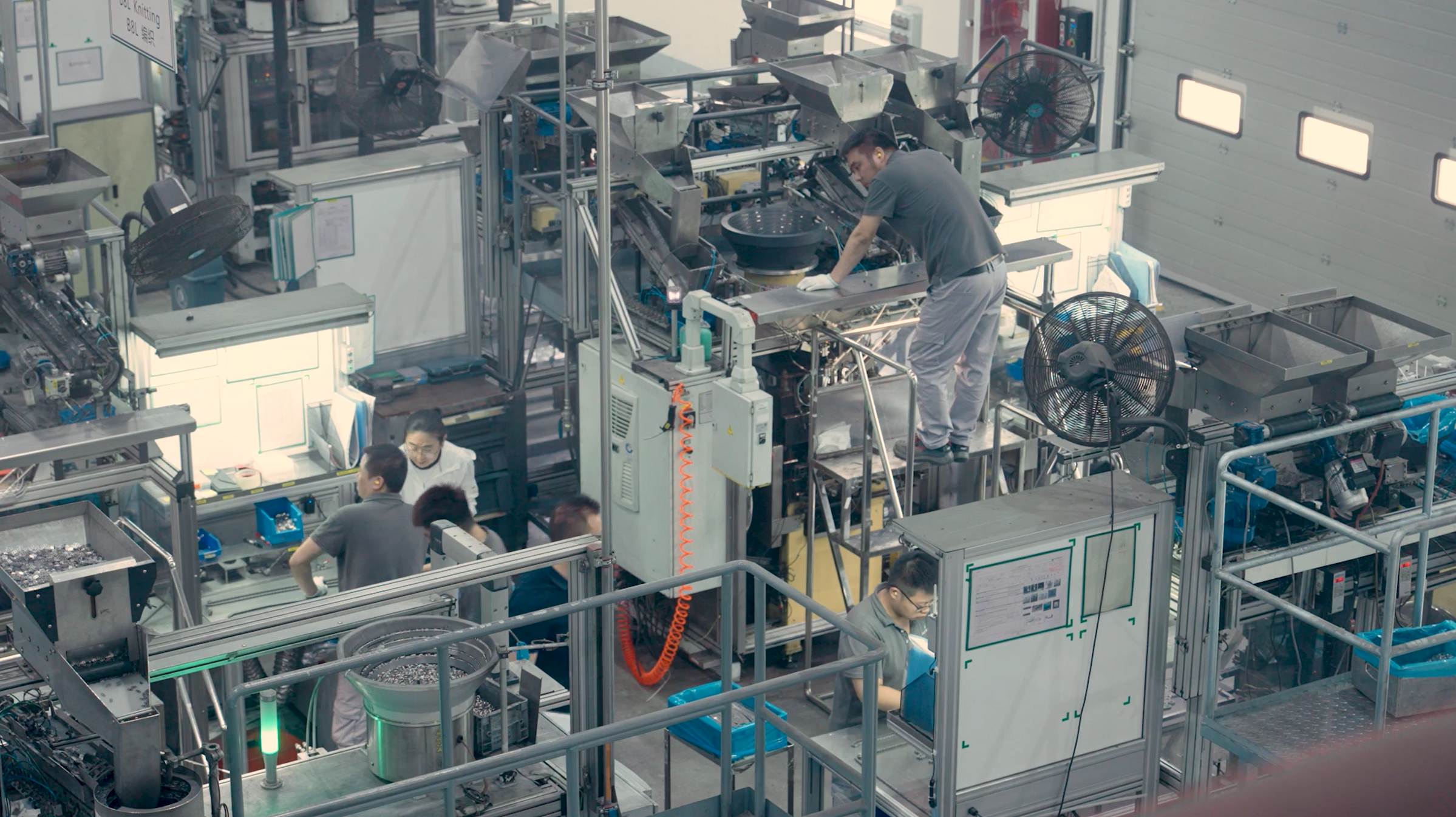
"We have 8 sites worldwide in 7 countries – including locations in India, China, and the USA – with around 600 employees in total," says Björn Bodenstein, Global Head of IT at CATENSYS. "Although the closing was completed, the IT systems had not yet been fully separated," he explains. The company was running a migrated SAP system with no internal IT team to maintain it, and left over 300 IT users worldwide with nowhere to turn when something broke.
In a carve-out, the real risk shows up the day after signing. A production order, a goods receipt, a tax filing – any of it can stall the moment nobody owns the system anymore.
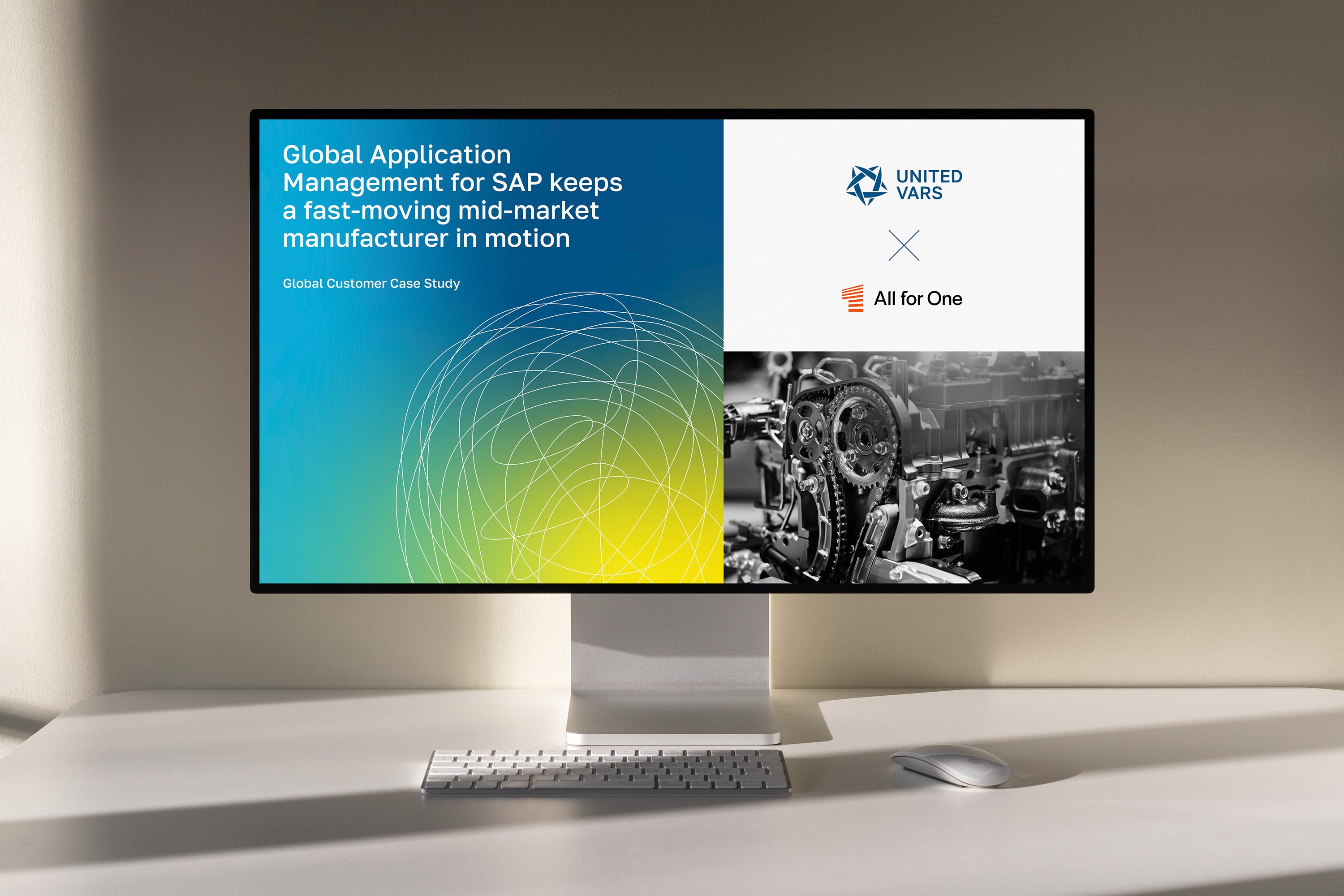
DOWNLOAD THE FULL STORY HERE →
A carve-out's problem is everywhere at once, but a single vendor usually solves only one region. CATENSYS couldn't afford to wait for a phased rollout. They needed coverage across continents on day one.
"The first step was to hand over the knowledge from the key users to the consultants of All for One," says Holger Müller, Director Application Services at All for One. All for One, the UNITED VARS member leading the engagement, then organized the transfer onward to the rest of the alliance, so the same process knowledge reached consultants in China, India, Korea, and the US without getting lost along the way – a step Holger Müller and his team coordinated directly.
For a mid-market company, this means the depth of a single full-stack SAP provider – the kind that can absorb an entire key-user team's knowledge in weeks – combined with reach that no single SAP application management services provider, however large, maintains on its own. All for One brought the SAP depth. The UNITED VARS alliance brought the geography.
Three things, by Bodenstein's own account: "the 24/7 availability, of course, the local expertise, but also, the single point of contact which we as IT need." He adds a fourth: "it was also important to us to have a shared ticketing portal where every user, every consultant had access."
That combination matters more than any one piece. Follow-the-sun coverage without a single point of contact just shifts the hand-off problem around the clock. A shared portal without local language and local market knowledge still leaves a Nanjing shop-floor worker stuck explaining a problem in a language the support desk doesn't speak. CATENSYS needed all four at once, and got them through the alliance rather than negotiating four separate contracts.
CATENSYS also tells this story on camera, walking through the carve-out, their decision in favour of the UNITED VARS alliance, and what changed for their team from day one.
A 600-person company can't carry a 24/7, multi-continent SAP support function on its own books. Enterprise customers solve this with internal global IT teams sized for the job. Mid-market companies don't have that headcount and usually can't justify hiring for it.
The alternative is borrowing the structure: one knowledge transfer, one ticketing portal, one point of contact, and a bench of local specialists who already speak the market's language – literally and operationally. That's what let CATENSYS stabilize support for more than 300 users within months of a carve-out that could easily have stalled its first year of independence.
Bodenstein sums up what that stability is worth in practice: "The global AMS contributes to greater reliability because my team and I, we can calmly shut our laptops on Friday afternoon and head into the weekend, knowing that our users are supported 24/7 by the UNITED VARS partner network globally." For a company that didn't have an IT team a year earlier, that's the measure that counts.
Mid-sized companies should go global without losing speed or local identity. UNITED VARS brings together hand-picked local market leaders with real people on the ground in 100+ countries to remove legal, cultural, and language barriers. As a strategic alliance, UNITED VARS provides clear accountability from start to finish. UNITED VARS is the world's only SAP Platinum Partner alliance, delivering end-to-end SAP services for the mid-market.
stronger than one.
1 min read
BEYOND ESSENTIALS Core insight: A carve-out can leave a company with full ownership of its SAP systems and no team to run them. Consequence: A...
1 min read
BEYOND ESSENTIALS Core insight: Recruiting, onboarding, and retaining a full internal SAP team costs more than most mid-market budgets show on...
1 min read
BEYOND ESSENTIALS Core insight: Some shop-floor problems need a tool that's missing entirely, built from scratch rather than adapted from a...